What Are White Label Link Building Services and Why Agencies Rely on Them?
White label link building services are when a specialist provider builds backlinks on behalf of your...
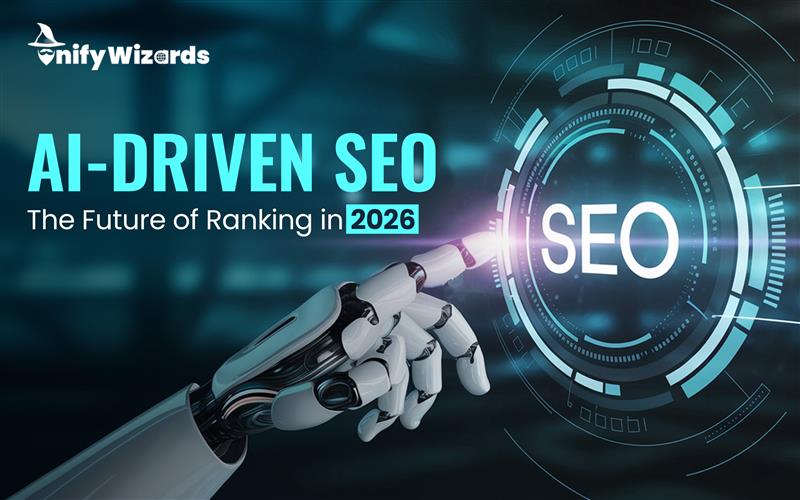
By 2026, people will stop asking whether SEO still works. That question will feel outdated. SEO will still exist, but it will no longer look or behave the way it did in the early 2020s.
Ranking will not be about pushing pages upward anymore. It will be about earning space. Quietly. Gradually. Sometimes without even realizing it happened.
Search engines will not announce these changes loudly. They never do. But the signs will be obvious to anyone paying attention. Pages written only to rank will stop holding their positions. Content that feels useful, lived-in, and humane will start appearing where it never did before.
That shift will be driven by AI, but not in the way most people imagine.
They will read intent.
A search will be treated more like a thought than a phrase. Algorithms will look at behavior patterns, previous searches, engagement history, and how similar users reacted to similar content.
If people land on a page and leave quickly, the system will notice.
If they stay, scroll, pause, return later, it will notice that too.
This is where an AI SEO Services will start playing a real role. Not because it will magically rank pages, but because it will help brands understand what users actually mean when they search. That kind of insight will be impossible to gather manually on scale.
One of the biggest changes in 2026 will be patience.
Content will not shoot up the rankings overnight anymore. AI-driven systems will observe how a page performs across weeks and months.
They will ask questions like:
Do users come back to this page?
Do they explore further?
Do they trust the source enough to continue reading?
If the answer is yes, rankings will follow.
This will change how businesses think about SEO investment. Chasing quick wins will feel exhausting and ineffective. Long-term consistency will finally make sense again.
A good Digital Marketing Agency like Unify Wizards will stop selling rankings and start selling growth trajectories.
By 2026, user experience will speak louder than technical optimization.
AI systems will watch how people interact with a page. Not just whether it loads fast, but whether it feels easy to read. Whether it flows. Whether it respects attention.
Things that will matter more than most people expect:
Search engines will not describe this as UX scoring, but that is what it will be.
If people struggle, rankings will fade.
If people feel comfortable, rankings will stay.
In 2026, AI tools will handle much of the heavy lifting in SEO.
Audits will run automatically.
Patterns will be identified instantly.
Competitor data will be analyzed continuously.
But strategy will still belong to humans.
AI will not decide what a brand should say.
It will not define the tone.
It will not understand emotional nuance.
That work will remain human. The difference is that humans will finally have clearer data to work with.
An AI SEO Service will act more like a thinking assistant than a replacement. It will remove guesswork, not judgment.
By 2026, rankings will not be universal.
Two people will search the same phrase and see different results. Not wildly different, but adjusted. Based on location, history, device, and behaviour.
This will confuse businesses that are obsessed with being number one. There will be no single number one.
Visibility will be contextual. Success will be measured by appearing where it matters, not everywhere.
This will force a mindset shift. SEO will become less about dominance and more about relevance.
AI systems will rely heavily on trust signals in 2026.
Not artificial authority. Real trust.
Consistency will matter. Reputation will matter. Clarity will matter.
Brands that create and publish valuable content over time will quietly earn the privilege of preference. Brands that jump trends without substance will huff and puff to keep up.
SEO will bleed outside of the website into mentions, reviews, brand searches, and audience loyalty-rewarding, all in how trustworthy a source appears.
The businesses that will adapt early just won't do anything dramatically. They will simply adjust their priorities.
They will:
By 2026, SEO will reward those who respect the process. The future of SEO won't be revolutionary in feel; it will feel quieter.
Ranking in 2026 will belong to brands that understand their audience better than their algorithms.
And that is where real work will begin.
These are changes already embedded in everyday strategy at the house of Unify Wizards. Again, as a digital marketing company, the focus has been on building search visibility that lasts and not chasing the quick wins.
Looking to future-proof your SEO strategy in light of an AI-driven search future? Reach out to Unify Wizards and map your next step.
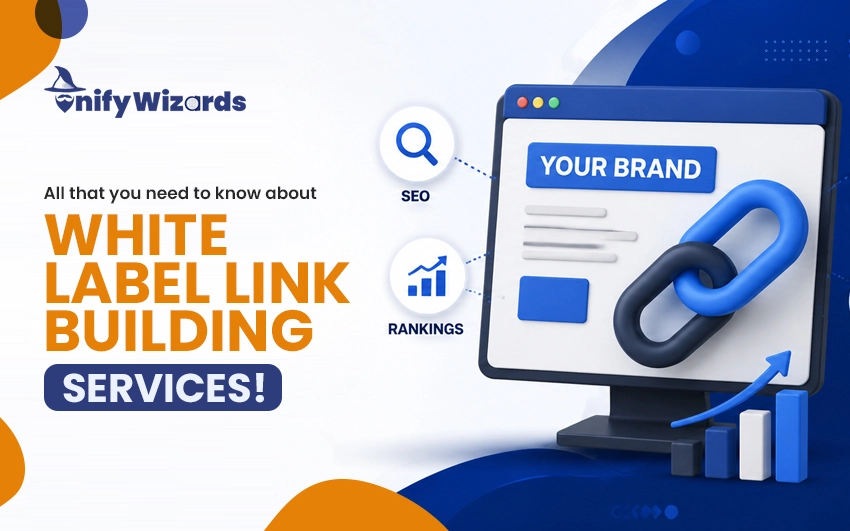
White label link building services are when a specialist provider builds backlinks on behalf of your...

There's a frustration that builds up in a lot of small business owners across the UK. You know your...
Discover how Unify Wizards’ White Label SEO helps agencies scale SEO services, improve client result...
Search has always been about connection, between a question and an answer, between curiosity and cla...